One-stop solution for Sheet Metal Fabrication & CNC Machining - Bergek CNC
Language
One-stop solution for Sheet Metal Fabrication & CNC Machining - Bergek CNC
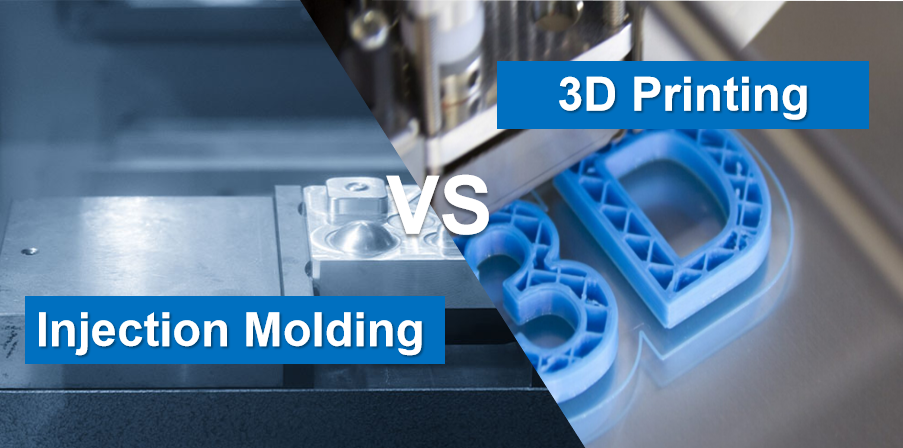
This article provides a detailed comparison of 3D printing and injection molding to help you make the best choice for your next project.
For many years, injection molding has been the leading technology for producing three-dimensional plastic products, widely used across industries and countries around the world. However, just as technological advancements across industries have, the emergence of 3D printing technology has provided manufacturers and consumers with more options for how plastic products are made. Both methods have their advantages and disadvantages and are suitable for different products, applications, and situations.
What is injection molding?
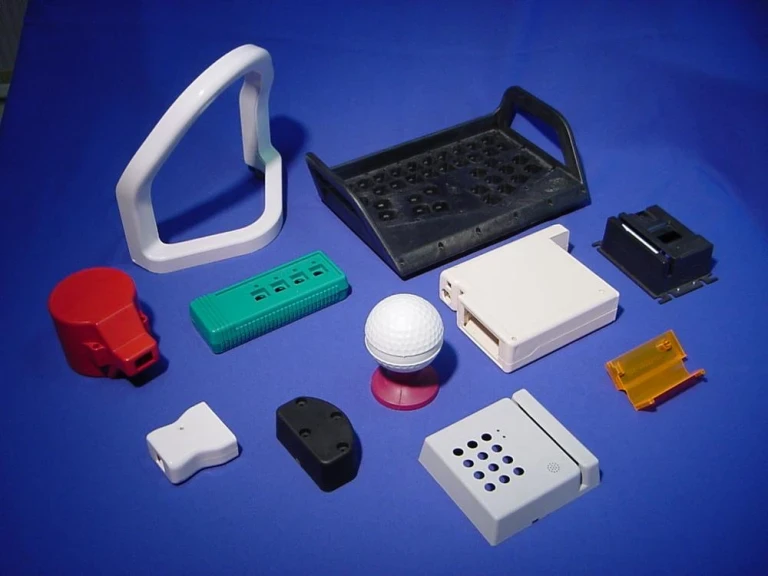
Injection molding is a common process used by companies to mass-produce plastic parts. The process involves injecting hot, liquid plastic into a mold and then removing the part after it cools. The newly molded part is removed from the injection molding machine, quality-checked, and then moved along the production line, either being added to a larger facility or shipped directly to consumers. This method allows for the mass production of parts with high precision and consistency.
Plastic injection molding is best suited for:
● Longer turnaround times (5-7 weeks for simple parts)
● High-volume production (1,000+ parts per run)
● Final part design (no more prototyping)
● Parts of any size or complexity
Common Injection Molding Materials
There are many types of plastics to choose from for injection molding. Some of the more well-known plastics include:
● ABS: A strong and durable copolymer of acrylonitrile, butadiene, and styrene
● Polypropylene: A flexible and lightweight material
● Polyethylene: Impact-resistant
● Polystyrene: Inexpensive but rigid
● Nylon: Heat-resistant and tough
What is 3D printing?
3D printing, also known as additive manufacturing, is a process that creates a designed part by adding material layer by layer. Rather than cutting or shaping material, it builds the part by adding thin sheets from the bottom up, much like stacking building blocks. This makes it ideal for custom products, prototypes, or small-batch production.
3D printing is best suited for:
● Fast turnaround times (1-2 weeks)
● Small production runs (100 parts or less)
● Frequently changing designs
● Relatively small plastic parts or components
Common 3D Printing Materials
3D printing is used in many applications, so it also offers a wide range of material options:
● PLA (polylactic acid): A non-toxic and biodegradable material that is easy to print with, making it economical and environmentally friendly for producing models and prototypes.
● ABS (acrylonitrile butadiene styrene): Tough, impact-resistant, and heat-resistant, it is a top choice for manufacturing functional parts.
● Nylon: Used in the automotive and aerospace industries, it is a strong yet flexible material best suited for functional and wear-resistant parts.
● Resin: Used in SLA and DLP to achieve detailed, smooth surfaces, it can be tough, flexible, or castable and comes in a variety of formulations.
● TPU (thermoplastic polyurethane): Known for its rubber-like elasticity, TPU is ideal for flexible parts such as gaskets or seals. ● Metal powders: Typically made from metals like stainless steel, titanium, and aluminum, they are ideal for strong, high-performance parts for advanced industrial applications like aerospace and automotive.
Main differences between injection molding and 3D printing?
Injection molding is suitable for late-stage prototypes, mature designs, and parts with tighter tolerances. While molds are required, prototype injection molding is well-suited for designs that require real-world testing. Low-volume injection molding is suitable for runs of 100 to 10,000 parts, while high-volume injection molding can produce hundreds of thousands of parts. Injection molding may have longer lead times, but it offers faster cycle times and a wider range of materials.
3D printing is often used for early prototypes, evolving designs, and part geometries that cannot be produced by other methods. Because this additive manufacturing technology eliminates the need for metal tooling, it is cost-effective for low-volume prototyping and production. 3D printing also reduces lead times. However, it has longer cycle times, uses less plastic material, and may require post-processing.
Cost Comparison of Injection Molding and 3D Printing
For both methods, costs vary based on production volume, complexity, and material selection.
Upfront Costs
The most significant disadvantage of injection molding is the upfront cost of the mold. Designing and manufacturing custom molds for complex parts can be quite expensive. However, once the mold is complete, it can produce thousands or even millions of parts at no additional cost.
In contrast, 3D printers only require a 3D model. Therefore, the initial cost of 3D printing is very low, making it cost-effective for small batches or single designs.
Low-Volume Production vs. High-Volume Production Costs
3D printing is cost-effective for low-volume production compared to other methods for a variety of reasons, primarily because it eliminates the need for molds.
With injection molding, the profit loss associated with mold manufacturing adds unnecessary costs for low-volume production. However, above a certain point, the unit cost of 3D printing decreases, becoming significantly higher than injection molding. Therefore, high-volume injection molding is highly cost-effective, while 3D printing offers cost-effectiveness for low-volume production and prototyping.
Comparison of Part Delivery Time Between Injection Molding and 3D Printing
3D printing offers the fastest delivery time because the 3D printer begins producing parts immediately after the 3D model is designed. Depending on the complexity of the model, printing can take anywhere from a few hours to a day. However, with injection molding, molds can take days or weeks for repetitive designs.
Design Iteration and Prototyping Lead Time Costs
3D printing is the best choice when design changes or modifications require prototyping and testing. Once modifications are complete, the 3D-printed part can be reprinted in just a few days. In contrast, injection molding takes longer to modify because new molds need to be created. Therefore, mold-making time can impact project schedules, which is one of the key differences between 3D printing and injection molding.
Comparing Precision Between Injection Molding and 3D Printing
High surface quality is crucial throughout the injection molding process, as the mold itself imparts a smooth, glossy finish to the part. Depending on how the mold is created, you can choose between matte, glossy, or rough finishes.
3D-printed parts present a different situation, as they often have noticeable layer lines and rough edges. While the manufacturer will certainly do their best to achieve this, polishing is often necessary. This situation improves with more advanced printers.
Comparing Applications of Injection Molding and 3D Printing
Applications of Injection Molding
● Mass Production of Identical Parts: Efficient, fast, and consistent production of large numbers of parts.
● Automotive: Used for dashboards, connectors, housings, and under-the-hood components.
● Consumer Electronics: Ideal for small parts like phone cases, buttons, connectors, and housings.
● Medical Devices: Includes precise, durable parts such as surgical instruments, diagnostic injection molding equipment, and even implants. ● Packaging: Suitable for the production of plastic containers, caps, and bottles.
Applications for 3D Printing
● Active Prototyping: Allows for rapid development of prototypes for testing, modification, and iteration, facilitating faster product development.
● Custom or Low-Volume Production: Ideal for one-of-a-kind or low-volume production that doesn't require expensive tooling.
● Aerospace: Specializes in the production of prototypes, test tools, and non-complex, lightweight parts, often made from specialized materials.
● Dental: Additive manufacturing enables the creation of highly accurate dental models as well as custom implants, crowns, bridges, and other components.
● Product Development: Ideal for one-off or low-volume production requiring significant modifications for emerging or lesser-known markets.
● Art and Fashion: Allows for the creation of complex, customizable designs or patterns that are difficult or impossible to create using traditional methods.
When to Choose Injection Molding or 3D Printing?
As with any manufacturing process, the choice between injection molding and 3D printing depends entirely on the intended use of the finished product and the specifications you require—such as tensile strength, smoothness, heat or pressure resistance, and colorfastness. Therefore, understanding how your finished product will look, feel, and operate is crucial information to determine before deciding on a production method. Researching various injection molding processes and 3D printing materials can also aid in this crucial decision and yield better results.
Bergeek CNC offers injection molding services. We specialize in providing customized solutions tailored to your manufacturing needs. We understand the processes of high-volume production or rapid prototyping and are ready to provide expert insight and guidance.
Our dedicated and professional team ensures the delivery of high-quality products in the shortest possible time, allowing you to focus on what matters most: bringing your product to market. Contact us today to discuss your project needs and we will provide you with advanced manufacturing services.
Get In Touch With Us!
Bergek CNC is a world-class manufacturing service provider in Shenzhen. We have advanced equipment to provide a full range of customized products to manufacturers around the world, specializing in CNC machining and sheet metal processing.
If you have any question,please contact us.

Copyright © 2026 SHENZHEN BERGEK TECHNOLOGY CO., LTD. - www.bergekcnc.com All Rights Reserved.

