One-stop solution for Sheet Metal Fabrication & CNC Machining - Bergek CNC
Language
One-stop solution for Sheet Metal Fabrication & CNC Machining - Bergek CNC
To maximize sealing reliability, we have established a multi-layer inspection mechanism within our production process.
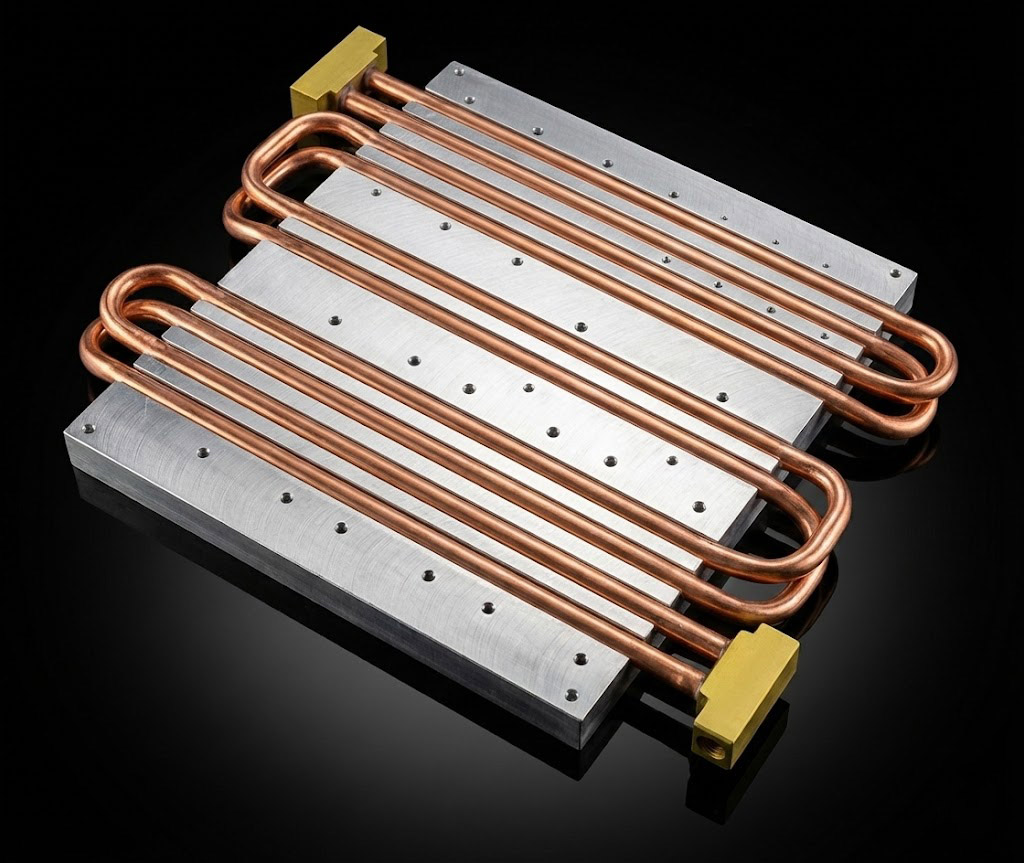
To maximize sealing reliability, we have established a multi-layer inspection mechanism within our production process. The core step is that after the machining and assembly operations are completed, every cold plate unit must undergo 100% full leak testing. The testing typically employs reliable methods such as pressure decay or vacuum leak testing. This involves applying gas at a specific pressure to the cooling channels or creating a vacuum environment, and then continuously monitoring pressure changes to accurately detect any micro-leaks that exceed the allowable range.
For products used in industries with extremely high requirements for operational safety and long-term stability, such as automotive or laser cutting, the testing protocols and acceptance criteria we follow are usually more stringent. In practice, we often refer to and implement the specific, more rigorous test grades found in internationally recognized U.S. or EU standards relevant to these fields. This may involve lower allowable leakage rate thresholds, longer pressure stabilization observation times, or higher test pressures, ensuring that the product's sealing performance matches the demanding conditions and potential risks of its actual application for CNC-machined liquid cooling plates supplied to US and EU customers.
Leak testing and acceptance criteria are defined based on customer-specified requirements and applicable standards, with Bergek CNC focusing on manufacturing execution and verification rather than system-level sealing design.
Get In Touch With Us!
Bergek CNC is a world-class manufacturing service provider in Shenzhen. We have advanced equipment to provide a full range of customized products to manufacturers around the world, specializing in CNC machining and sheet metal processing.
If you have any question,please contact us.

Copyright © 2026 SHENZHEN BERGEK TECHNOLOGY CO., LTD. - www.bergekcnc.com All Rights Reserved.

